Inclusion and Learning Support
Every student is supported to access learning, participate meaningfully and develop independence.
At Cheltenham Secondary College, inclusion is a shared responsibility. We work in partnership with students, families, teachers and relevant professionals to understand strengths, identify barriers and provide reasonable adjustments that support access, participation and learning.
Our Approach to Inclusion
Cheltenham uses a Multi-Tiered System of Supports (MTSS) to organise support across learning, behaviour, wellbeing, attendance and engagement.
Support is layered according to student need. Every student continues to receive high-quality classroom teaching, while additional targeted or personalised support may be provided where a need has been identified.
Information from families, primary schools, teachers, formal assessments and relevant professionals helps us understand student strengths, needs and successful supports.
| Tier 1 - Universal | Tier 2 - Targeted | Tier 3 - Intensive and personalised |
|---|---|---|
|
For every student
|
Additional support
|
Individualised support
|
|
High-quality teaching, explicit explanation and modelling, guided practice, predictable classroom routines, differentiation, checks for understanding and positive learning environments.
|
Additional scaffolds or evidence-informed support linked to an identified learning, participation, wellbeing or engagement need. This may include small-group instruction, additional guided practice, pre-teaching, assistive technology or targeted wellbeing support.
|
Individualised adjustments, goals and coordinated support for students with significant or complex needs. This may include an Individual Education Plan, Student Support Group, specialist advice, assistive technology, Disability Inclusion processes or Inclusion Aide support.
|
Reasonable Adjustments
Practical changes that support access, participation and learning on the same basis as peers.
A reasonable adjustment is a change made so that a student with disability can access and participate in education on the same basis as their peers. Adjustments are planned in consultation with the student and their family and respond to the individual student, the barrier being addressed and the educational context.
Adjustments can apply in the classroom, during assessment, during breaks, on camps and excursions and across other College activities.
Examples may include:
- chunked or simplified instructions, visual supports, worked examples and additional modelling
- changes to task format, materials, timing, location or the way a student demonstrates learning
- assistive technology, accessible resources, alternative communication or specialist equipment
- planned support for transitions, organisation, regulation and participation
- advice from Student Support Services, allied health professionals or Visiting Teachers where appropriate.
Individual Education Plans and Student Groups
Collaborative goal-setting and planning for students requiring personalised support.
An Individual Education Plan (IEP) is a written plan that may describe a student’s:
- strengths, interests and voice
- priority learning or participation needs
- short- and longer-term goals
- agreed adjustments and strategies
- approaches used to support and review progress.
A Student Support Group (SSG) brings the family and school together to make decisions about a student’s education and support. It includes the parent or carer, relevant school staff and the principal or nominee. With agreement, the student, relevant professionals, support people or advocates may also participate.
SSGs may support:
- development and review of an IEP
- reasonable adjustments
- personal or medical care planning
- transition planning
- consideration of student and family views
- coordination between school and relevant professionals.
Students supported through Disability Inclusion or the Program for Students with Disabilities are supported through regular SSGs.
Student progress may include curriculum growth, progress towards IEP goals, increased independence, confidence, participation or engagement.
Families seeking an SSG are encouraged to contact the relevant Year Level Coordinator.
Disability Inclusion
A strengths-based approach focused on functional needs, adjustments and student and family voice.
Disability Inclusion is the Victorian Government approach to strengthening inclusive education in government schools. It includes school-level funding to build inclusive practice and student-level funding for eligible students with higher support needs.
Where appropriate, the College may discuss a Disability Inclusion Profile with a family. The Profile brings together the student, family, school staff and relevant professionals to describe:
- student strengths
- functional needs
- successful supports
- educational adjustments
- participation priorities.
The student and family contribute important information about strengths, goals, priorities and strategies that have been successful in other settings. School and professional information can also contribute to understanding the adjustments required.
You can learn more about the Disability Inclusion Profiles here:
https://www.vic.gov.au/disability-inclusion-extra-support-children-disability
Targeted Learning Support
When a student requires additional support beyond universal classroom teaching, the College may provide targeted support linked to an identified need or goal.
Depending on the student’s needs and available programs, this may include:
- literacy support
- numeracy support
- small-group instruction
- tutoring
- pre-teaching
- additional guided practice
- structured notes
- graphic organisers
- audiobooks
- assistive technology
- additional classroom scaffolding.
Targeted support is designed to complement, rather than replace, the high-quality teaching students continue to receive in their regular classes.
How to Seek Support
If you have a concern about your child’s learning, participation or access, please contact us. You do not need to know which program or team your child may need before starting the conversation, and you do not need to wait for individual funding or a completed formal assessment.
Step 1 – Classroom teacher
Discuss the concern and current supports
Begin with the relevant classroom teacher. Families can share what they and their child have noticed, relevant reports and strategies that have worked well. The teacher can discuss classroom learning, current supports and possible next steps.
Step 2 – Sub-school team
Bring together information across subjects and settings
Where a concern occurs across several subjects, continues over time or requires coordination, the relevant Sub-school team may become involved. The team can bring together information about learning, attendance, behaviour, wellbeing and engagement.
Step 3 – Inclusion or Wellbeing
Coordinate additional or personalised support
Where further support is required, students and families may be connected with Inclusion or Wellbeing staff. Depending on need, next steps may include targeted support, reasonable adjustments, an IEP, an SSG, specialist advice, a referral or a Disability Inclusion Profile process.
Prospective Families
Planning for a supported transition
Families of students with additional needs are encouraged to share relevant information as early as possible after accepting a place at Cheltenham.
Early transition planning helps us understand:
- student strengths and interests
- current adjustments
- successful strategies
- learning and participation needs
- transition priorities.
Depending on the student’s needs, transition planning may include meetings, supported visits, orientation, familiarisation with classrooms and routines, staff preparation, organisation or travel practice, review of existing learning and support plans and an early SSG meeting.
Director of Middle School: Linda Palermo
Director of Senior School: Helen Arhontis

Teagan Straw
MTSS Inclusion Leader
Coordinates targeted and personalised support, including IEPs, Student Support Groups, reasonable adjustments, Disability Inclusion Profiles and consultation with families and staff.
Email: swt@cheltsec.vic.edu.au
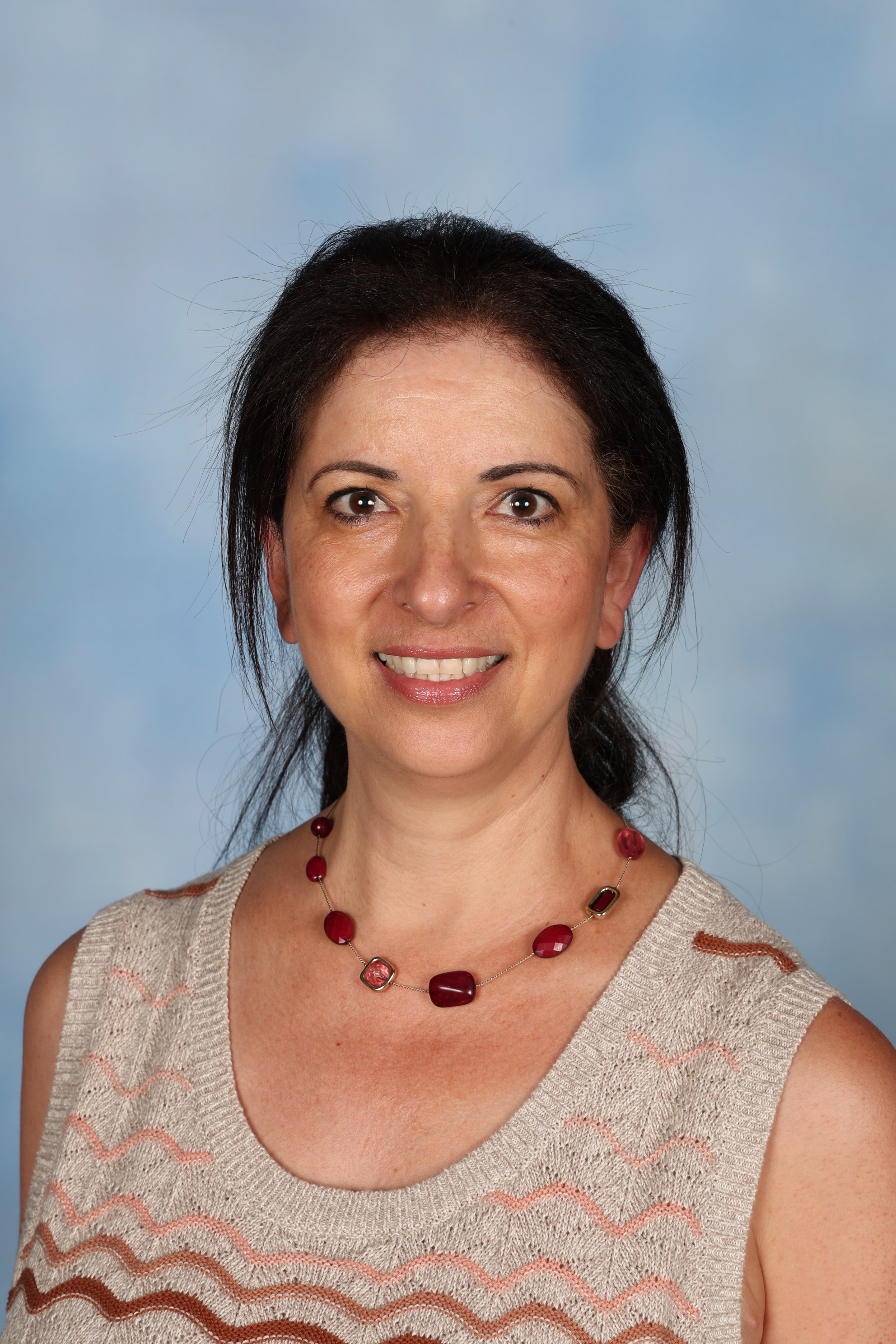
Rama Yacoub
Integration Aide Coordinator
Coordinates Inclusion Aide timetables and operational support and supports Aides to work collaboratively with teachers in implementing agreed adjustments and building student independence.

Cathryn Levvey
Integration Aide

Jenny Vu
Integration Aide
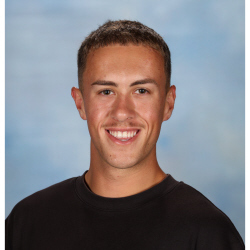
Jackson McCahon
Integration Aide
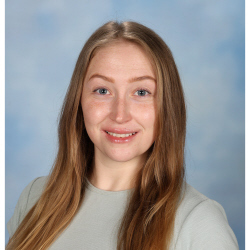
Sarah Duncan
Integration Aide
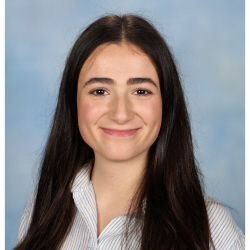
Paola Lo Presti
Integration Aide

Madison Petherick
Integration Aide
Our Inclusion Learning Aides
Inclusion Learning Aides work alongside classroom teachers and the Inclusion Team to implement agreed adjustments, support access to learning and College routines and build student confidence, engagement and independence.
Classroom teachers remain responsible for curriculum, instruction, assessment, reporting and classroom routines.
Working Together: Student and Family Voice
Students and families bring valuable knowledge about what supports participation, confidence and independence.
Students are encouraged to share their:
- strengths and interests
- goals
- preferences
- experiences of adjustments
- strategies that help them learn.
Families can share reports, observations, successful strategies and priorities. Relevant professionals may also contribute assessment information or practical recommendations. This information is considered alongside school-based information when support and adjustments are planned.
Learning, Wellbeing and Engagement
Learning, wellbeing, attendance, behaviour and engagement are closely connected.
Inclusion, Sub-school and Wellbeing staff work together where a student’s needs cross more than one area.